





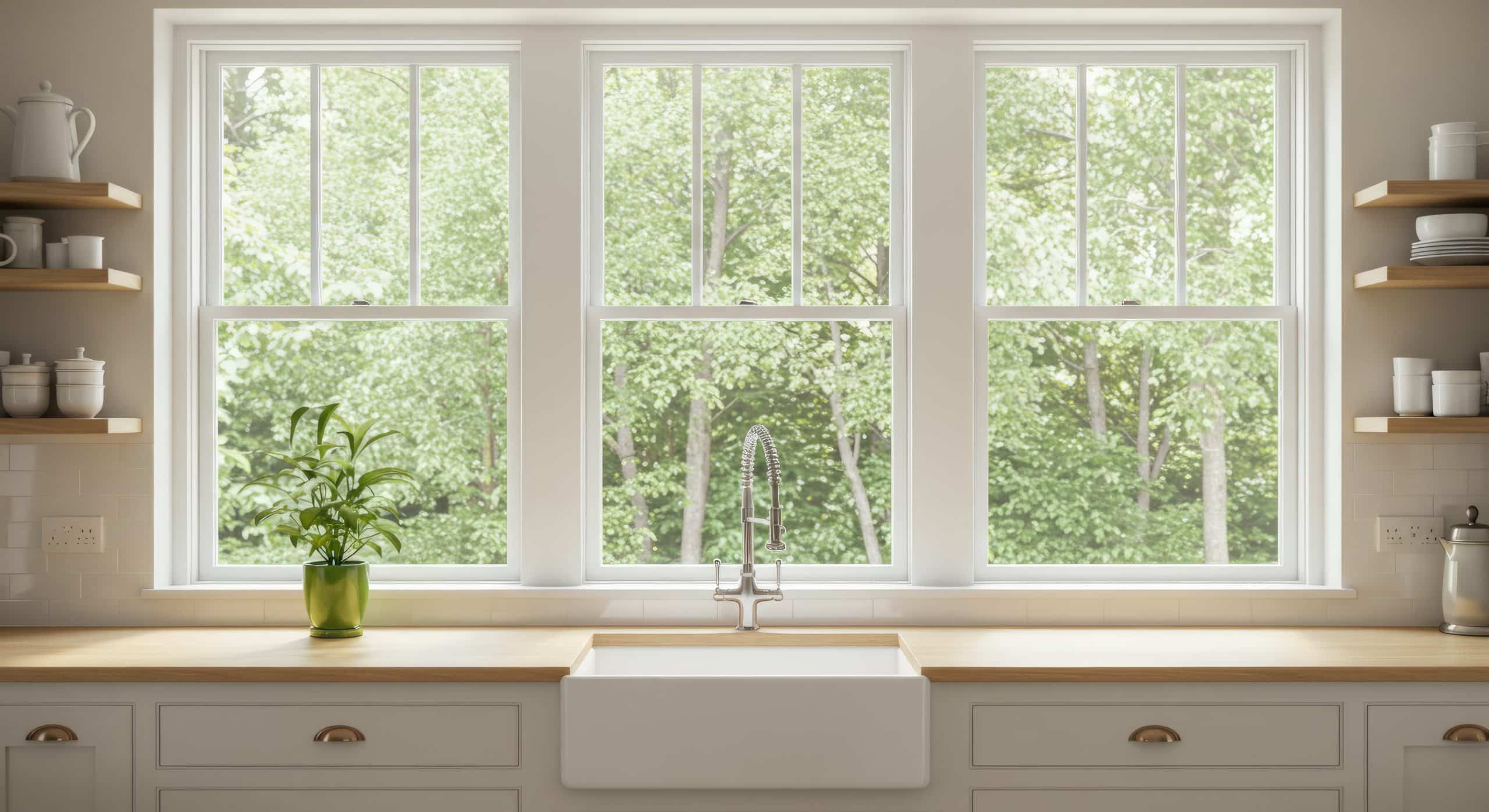
How to Protect Your Sash and Case Windows
Sash and case windows are a classic feature of many historic buildings in Edinburgh. They consist of two timber-framed sashes that slide up and down in channels formed by the case, which is fixed to the wall. The sashes are balanced by cords and weights, or spiral balances hidden inside the case.
Sash and case windows add charm and character to your home, but they also require regular maintenance and care to keep them in good condition. Here are some tips on how to protect your sash and case windows from damage, decay and draughts
Clean your windows regularly
Dirt, dust and grime can accumulate on your windows over time, affecting their appearance and functionality. To keep your windows clean, you should wipe them with a damp cloth or sponge at least once a month. You can use mild soap or detergent if needed, but avoid harsh chemicals that could damage the paint or wood. You should also clean the channels where the sashes slide up and down, as well as the pulleys or balances that control them. You can use a vacuum cleaner with a soft brush attachment to remove any debris or cobwebs from these areas. Lubricate the moving parts with silicone spray or oil every six months to ensure smooth operation.
Repair any cracks or gaps
Cracks or gaps in your sash and case windows can let in cold air, moisture and noise, reducing their thermal efficiency and comfort. To fix these issues, you should inspect your windows regularly for any signs of damage or decay. Look for cracks in the glass, wood or putty; gaps between the sashes and the case; loose or missing hardware; rotten or warped timber; peeling or flaking paint; etc.
Paint your windows periodically
Painting your sash and case windows is not only a way to refresh their look, but also to protect them from weathering and deterioration. Paint acts as a barrier against moisture, UV rays, insects and fungi that could harm your woodwork. Thistle Decorators has decades of experience restoring Sash & Case windows. We recommend repainting your windows every five to ten years, depending on their exposure to sun and rain.
Install secondary glazing
Secondary glazing is an option for improving the energy efficiency of your sash-and-case windows without altering their appearance. Secondary glazing involves adding an extra pane of glass inside your existing window frame, creating an air gap between it and the original pane. This reduces heat loss through conduction, convection and radiation; lowers noise levels; increases security; prevents condensation; etc.
Thistle Decorators have cared for and treated Sash & Case windows across Edinburgh & the Lothians since 1984. Contact Us for a free quote and further details.
Ideas for redecorating your staircase in Edinburgh.
If you’re looking for some easy and fun ways to spruce up your staircase, there are plenty of ideas to inspire you. Here are some of our favourite tips for redecorating stairwells. Our team of talented decorators are experienced with renovating stairwells using high-quality materials.
Paint it dark
If you want to make a bold statement with your staircase, try an inky grey or black. This will create a dramatic contrast with the rest of your home and draw attention to your stairs. Or, add some light paint on the walls and warm details with picture frames and lighting fixtures.
Turn it into a pantry
If you have a little nook under your stairs that’s not being used, why not transform it into a convenient pantry? You can install some shelves and store your dry goods, spices, cookbooks, and more. You can also add a hidden door for a modern, space-saving solution.
Decorate with vases
A simple way to add some style and interest to your stairway is to place a large vase or accent piece in the corner of an L-shaped staircase. You can fill it with fresh flowers, dried branches, or anything else that suits your taste.
Recycle old shutters
Recycled shutters add a rustic look and feel to your staircase. You can paint them in different colours or leave them distressed for an antique look.
Mix and match prints
Experiment with different textures and patterns on your stairway walls. Our team can advise you on different types of wallpaper, fabric, or stencils to suit your overall style.
Honour your furry friend
If you love your dog (or cat), why not dedicate an area of your stairway to them? You can hang portraits, silhouettes, or photos of your pet on the wall to add a cute, personal element. Explore some of the many ways you can redecorate your stairwell without spending too much time or money. Have fun with it, and our team is here to offer advice and support and deliver high-quality transformations. Feel free to get in touch today for an estimate.
Professional Paint Effects
If you’re feeling brave, add some unique, personal style elements to your walls. Professional Paint Effects are a great way to create stylish artworks without spending a fortune on materials.
Paint effects are techniques that use paint along with a variety of other styling tools and elements to transform your walls. They can be a great way to add depth, dimension, and contrast to your space. Paint effects are a great way to add visual interest while showcasing your individuality. There are many types of paint effects; here are our favourites to apply.
- Colour wash: This painting technique uses a glaze (a mixture of acrylic emulsion and an additive) over a coloured base coat to add a subtle variation of hues. You can use a brush, roller, sponge, or rag to glaze in different directions and intensities.
- Rag rolling: Use a crumpled rag or cloth to add or remove glaze over a base coat. Switch up the pressure, direction and shape of the rag to create different textures and visual effects. Rag rolling can give your walls a rustic or antique look.
- Sponging: Dab a sponge over the basecoat to create different patterns and textures. You can use different colours, shapes, and sizes of sponges to give your walls a lively or whimsical look.
- Stippling: Tap glaze over a base coat using a stiff-bristled brush, such as a stencil brush, to create a variety of visual effects. You can vary the angle, pressure, and density of the brush stroke to give your walls an elegant or refined look.
- Stencilling: Apply paint over a base coat using pre-cut templates made from paper, plastic or metal to achieve an artistic, customised look. We use stencils in different colours, shapes, and sizes to create a variety of designs and motifs.